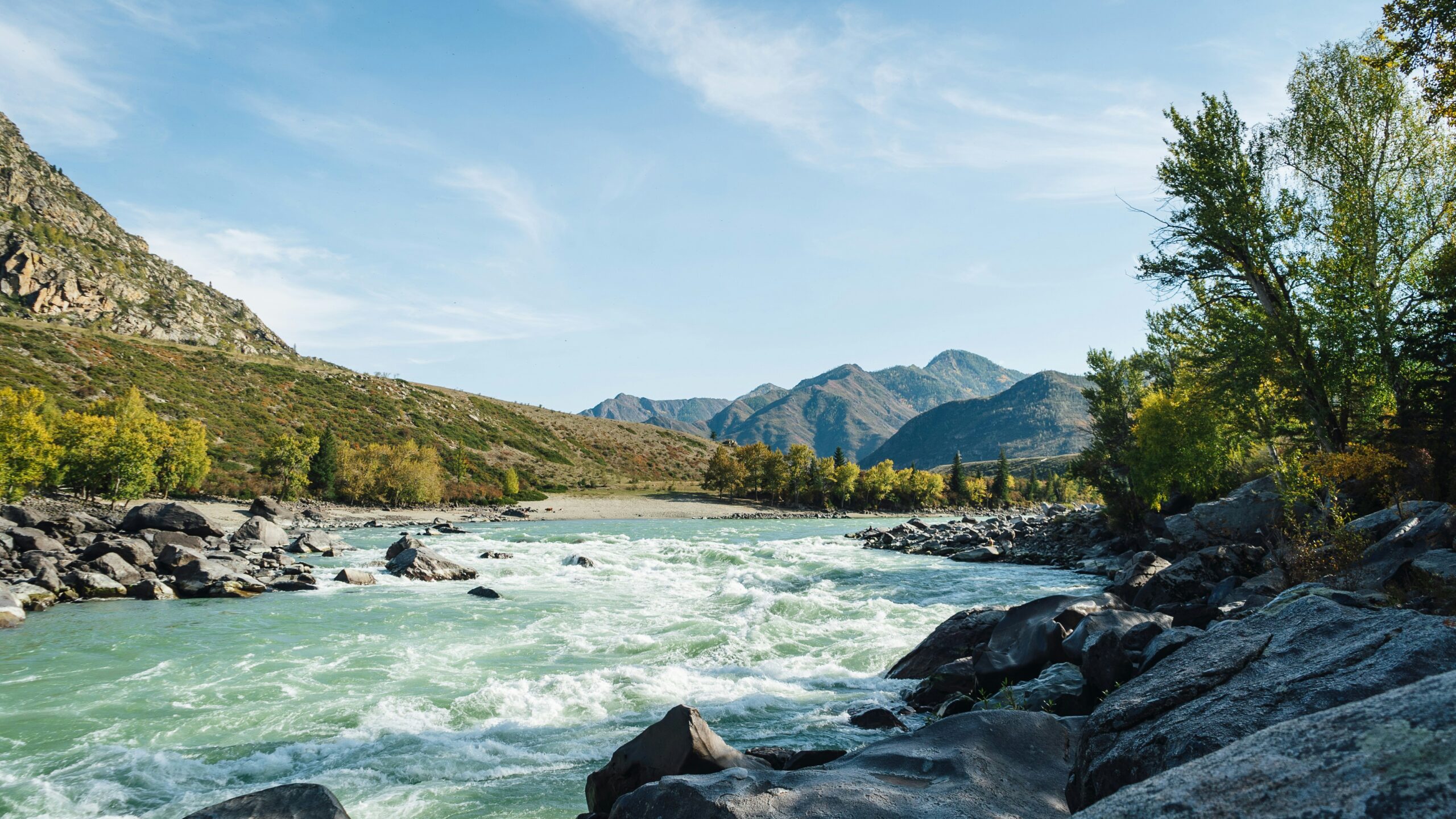
Timing is everything when planning a self-drive adventure to Mongolia’s Altai Mountains. Visit during the wrong season badly prepared and you’ll face impassable roads, closed facilities, and potentially dangerous conditions. Choose the right time and you’ll experience pristine wilderness, comfortable temperatures, and unforgettable encounters. This guide breaks down exactly when to visit based on your priorities—whether that’s peak climbing, wildlife photography, eagle hunting, or simply exploring this spectacular region with optimal conditions.
Quick Answer: The Optimal Window
Best Overall Time: May 15 – October 10
Peak Season: July 1 – August 31 (warmest, all areas accessible, most crowded)
Best Value: June 1-30 & September 1-30, October 1-15 (fewer tourists, lower prices, excellent conditions)
Special Event: Early October (Golden Eagle Festival – cold but spectacular)
Avoid: November through May (extreme cold, impassable roads, closed facilities) unless you are prepared for a winter expedition
Month-by-Month Breakdown
January – March: Extreme Winter ❄️
Temperature: -40°C to -20°C
Road Conditions: Main roads are ok, off road trails can be impassable
Tourism Infrastructure: Mostly Closed
Self-Drive Feasibility: ❌ Not Possible without winter expedition preparation
The Altai is locked in deep winter. Roads disappear under snow and ice, temperatures plunge to life-threatening lows, and virtually all tourist facilities shut down completely. Only the hardiest local herders remain in the mountains. If you want to attempt a self-drive tour coordinate it well in advance with us as your vehicle rental company.
Activities Available: Hunting with eagle hunters, wildlife observation of Argali Sheep and Altai ibex, self guided ski touring.
Skip It Unless: You’re on a specialized winter expedition with extreme cold weather experience and full support team or if you stick to the main highway.
April – May: Spring Thaw 🌧️
Temperature: -5°C to 15°C
Road Conditions: Muddy, off road tracks often impassable
Tourism Infrastructure: Beginning to open
Self-Drive Feasibility: ⚠️ Very Challenging
Spring brings snowmelt and mud—lots of mud. Roads become quagmires that trap even experienced 4×4 drivers. River crossings swell with meltwater, making them dangerous or impossible. Some tour operators begin operations in late May, but conditions remain unpredictable with sudden snow possible at high elevations.
Activities Available:
- Nauryz Festival (March 21-23) – worth timing for if you’re willing to handle cold
- Early wildflowers (late May)
- Limited eagle hunter visits
Consider It If: You’re attending Nauryz and willing to accept severe limitations on mountain access
June: Summer Arrives 🌸
Temperature: 10°C to 20°C (daytime), 0-5°C (night)
Road Conditions: Good and improving
Tourism Infrastructure: Fully operational
Self-Drive Feasibility: ✅ Excellent
June marks the beginning of the prime visiting season. Roads dry out and become passable, though some high passes may retain snow through mid-month. Wildflowers carpet alpine meadows in spectacular displays. Tourist facilities open fully, but crowds haven’t yet arrived in force. This is one of the best times for Western Mongolia self-drive tours—you’ll have the mountains largely to yourself with excellent conditions.
Activities Available:
- All hiking and trekking routes accessible
- Peak climbing (snow conditions still good)
- Glacier trekking
- Wildflower photography
- Wildlife viewing (animals very active)
- Eagle hunter visits
- Cultural homestays
Ideal For: Photographers, nature lovers, those avoiding crowds, budget travelers (pre-peak pricing)
Pack: Warm layers for cold nights, waterproof gear for occasional rain
July: Peak Season Begins 🌞
Temperature: 15°C to 25°C (daytime), 5-10°C (night)
Road Conditions: Best of the year
Tourism Infrastructure: Fully operational
Self-Drive Feasibility: ✅ Excellent
July brings the warmest temperatures and most stable weather. All routes are fully accessible, including the most challenging mountain passes. This is peak season for good reason—conditions are optimal. However, popular destinations like Altai Tavan Bogd Base Camp see the most visitors of the year. Book 4×4 vehicle rentals and accommodations at least 3-4 months in advance as they are mostly fully booked later on.
Activities Available:
- All activities at peak conditions
- Warmest weather for glacier trekking
- Best time for peak climbing (July 15-31)
- Swimming in lakes (still cold but tolerable)
- Extended multi-day treks
- Horseback expeditions
- Fishing excellent
- Cultural festivals in various soums
Ideal For: First-time visitors, families, those wanting maximum comfort, peak climbers
Note: Expect to encounter other travelers at major sites. For solitude, venture to less-visited areas like Tsambagarav or northern valleys.
August: Peak Season Continues ☀️
Temperature: 15°C to 25°C (daytime), 5-10°C (night)
Road Conditions: Excellent
Tourism Infrastructure: Fully operational
Self-Drive Feasibility: ✅ Excellent
August maintains July’s excellent conditions. Weather remains warm and stable, all areas are accessible, and facilities operate fully. Crowds persist through mid-August before tapering off in the final week. Late August offers a sweet spot—still excellent weather but fewer tourists as families return for school season.
Activities Available:
- All summer activities continue
- Peak wildflower season ending but still beautiful
- Wildlife viewing excellent (cooler temperatures increase animal activity)
- Fishing remains productive
- Cultural events continue
Ideal For: Those with inflexible summer schedules, families, general tourism
Consider: Late August (after 20th) offers crowd reduction while maintaining great conditions
September: Autumn Gold 🍂
Temperature: 5°C to 15°C (daytime), -5 to 5°C (night)
Road Conditions: Good, deteriorating late month
Tourism Infrastructure: Open, closing late month
Self-Drive Feasibility: ✅ Good to Excellent (early Sept) / ⚠️ Fair (late Sept)
September transforms the Altai with autumn colors. Larch forests turn golden, shrubs blaze crimson, and clear skies create exceptional photography conditions. Tourist numbers drop dramatically after September 10, giving you near-solitude. However, nights become cold (below freezing common), and snow can fall at high elevations in late September. Eagle hunting season begins, offering unique cultural experiences.
Activities Available:
- Autumn photography (spectacular)
- Eagle hunting demonstrations begin
- Hiking and trekking (dress warm)
- Wildlife viewing excellent (animals preparing for winter)
- Peak climbing possible early month
- Cultural experiences with herders preparing for winter
Ideal For: Photographers, those seeking solitude, cultural enthusiasts, experienced cold-weather campers
Note: Ger camps and some facilities close after September 15. Be prepared for cold nights and possible early snow.
October: Festival Season & Winter’s Edge ❄️
Temperature: -5°C to 10°C (daytime), -15 to -5°C (night)
Road Conditions: Deteriorating, snow possible
Tourism Infrastructure: Mostly closed
Self-Drive Feasibility: ⚠️ Challenging (Early Oct only for festival)
Early October brings the famous Golden Eagle Festival (first weekend) to Ölgii. This spectacular cultural event attracts eagle hunters from across the region for competitions, demonstrations, and celebrations. However, conditions are harsh—temperatures hover near freezing, snow is likely, and facilities are closing. After the festival, tourism ceases almost entirely.
Activities Available:
- Golden Eagle Festival (Oct 1-6, dates vary)
- Eagle hunting season in full swing
- Limited hiking (very cold)
- Cultural experiences with families preparing for winter
Ideal For: Those specifically attending Golden Eagle Festival, eagle hunting enthusiasts, cold-weather veterans
Important: Book Ölgii accommodation and car rental 6-12 months ahead for festival dates. Expect near-freezing temperatures and possible snow.
November – December: Deep Winter Returns ❄️
Temperature: -30°C to -10°C
Road Conditions: Impassable
Tourism Infrastructure: Closed
Self-Drive Feasibility: ❌ Not Possible
Winter fully descends. Roads close, temperatures plummet, and the region becomes inaccessible to tourism. This is a time for local life only—herders hunker down in winter quarters, eagle hunters work their territories, and the mountains belong to wildlife adapted to extreme cold.
Activities Available: None for tourists
Skip It: Unless you’re on a specialized expedition with extensive support
Seasonal Comparison Chart
| Month | Avg Temp (Day) | Road Access | Tourist Facilities | Crowds | Self-Drive Rating | Best For |
|---|---|---|---|---|---|---|
| Jan | -30°C | ❌ Closed | ❌ Closed | None | ❌ Impossible | Skip |
| Feb | -25°C | ❌ Closed | ❌ Closed | None | ❌ Impossible | Skip |
| Mar | -10°C | ❌ Closed | ⚠️ Limited | Minimal | ❌ Not Advised | Nauryz Festival Only |
| Apr | 5°C | ⚠️ Poor | ⚠️ Opening | Minimal | ⚠️ Challenging | Skip |
| May | 10°C | ⚠️ Muddy | ⚠️ Opening | Low | ⚠️ Challenging | Late May Possible |
| Jun | 18°C | ✅ Good | ✅ Open | Low | ✅ Excellent | Wildflowers, Solitude |
| Jul | 22°C | ✅ Excellent | ✅ Full | High | ✅ Excellent | Peak Climbing, Families |
| Aug | 22°C | ✅ Excellent | ✅ Full | High | ✅ Excellent | General Tourism |
| Sep | 12°C | ✅ Good | ⚠️ Closing | Low | ✅ Good | Photography, Solitude |
| Oct | 5°C | ⚠️ Snow | ⚠️ Mostly Closed | Festival | ⚠️ Festival Only | Eagle Festival |
| Nov | -10°C | ❌ Closed | ❌ Closed | None | ❌ Impossible | Skip |
| Dec | -25°C | ❌ Closed | ❌ Closed | None | ❌ Impossible | Skip |
Legend:
✅ = Excellent/Recommended
⚠️ = Possible but challenging
❌ = Not possible/Not recommended
Activities Calendar: When to Do What
Peak Climbing & Mountaineering
Best Time: July 10 – August 20
- Khuiten Peak (4,374m): July 15-31 (optimal snow conditions)
- Malchin Peak (4,037m): June 15 – September 10 (non-technical, longer season)
- Technical climbs: Mid-July to early August only
Why: Warmest temperatures, most stable weather, best snow conditions for safe climbing
Glacier Trekking & Base Camp Visits
Best Time: June 10 – September 10
- Potanin Glacier: Accessible full season
- Peak conditions: July-August (warmest)
- Photography: June & September (better light, fewer people)
Why: Glacier accessible June through September, but July-August offers most comfortable temperatures for camping
Wildlife Watching & Photography
Best Time: June 1-30 & September 1-30
- Snow leopards: Best in winter (expert expeditions only)
- Argali sheep: June & September (most active in cooler temps)
- Ibex: Year-round but easiest viewing June & September
- Birds/Eagles: June through September
- Marmots: June through September (hibernation in winter)
Why: Cooler shoulder season temperatures increase animal activity. Better light for photography than harsh summer midday sun.
Eagle Hunter Cultural Experiences
Best Time: September 10 – October 10
- Golden Eagle Festival: First weekend of October
- Hunting season: September through March (but Sept-Oct only practical for visitors)
- Summer demonstrations: Available but not authentic hunting season
Why: Traditional hunting season when eagles and hunters work together naturally, not just for demonstrations
Wildflower Photography
Best Time: June 10 – July 10
- Peak bloom: Mid to late June
- Alpine meadows: Late June
- Lower elevation: Early June
Why: Spring snowmelt triggers spectacular wildflower displays that last only weeks
Horseback Trekking
Best Time: June 15 – September 10
- Optimal: July-August (warmest, most comfortable)
- Possible: Early June & September with cold-weather gear
Why: Horses available throughout summer season, but extended multi-day rides more comfortable in peak summer
Fishing
Best Time: June 1-30 & September 1-30
- Species: Taimen, Lenok Trout, Grayling, Pike
- Water levels: Optimal in June after spring runoff settles
- Fish activity: Best in cooler water (June & September)
Why: Cooler water temperatures and optimal water levels make fish more active
Cultural Homestays & Village Visits
Best Time: June 1 – September 30
- Summer life: July-August (nomads at summer pastures)
- Seasonal activities: June (moving to summer pastures) & September (preparing for winter)
- Festivals: Various dates throughout summer in different soums
Why: Nomadic families accessible and active throughout summer season; can witness seasonal transitions in June and September
Weather Considerations for Self-Drive Tours
Temperature Extremes
Even in peak summer, nights regularly drop near freezing at elevation. Day-to-night temperature swings of 20-30°C are normal. Pack accordingly:
- June: 10-20°C day, 0-5°C night
- July-August: 15-25°C day, 5-10°C night
- September: 5-15°C day, -5 to 5°C night
Precipitation Patterns
The Altai is relatively dry, but summer brings occasional thunderstorms:
- June: 20-30mm (occasional rain)
- July-August: 30-40mm (afternoon thunderstorms possible)
- September: 15-20mm (decreasing)
Self-Drive Impact: Rain can make dirt roads temporarily impassable. Wait 24 hours after heavy rain for roads to dry. Morning departures recommended as afternoon storms are more common.
Wind and Dust
Spring (April-May): Dust storms common, poor visibility
Summer (June-August): Moderate winds, generally calm
Autumn (September): Increasing winds, clear conditions
Self-Drive Impact: Dust penetrates everything. Protect camera gear and electronics. Consider dust masks for spring travel.
Road Condition Timeline
Understanding how road conditions change throughout the season helps plan your self-drive route:
Late May: Roads just opening, still muddy in places, high passes may have snow
June 1-15: Improving daily, most routes passable, some snow at highest elevations
June 15-Sept 10: Prime conditions, all routes accessible
Sept 10-30: Still good but deteriorating, early snow possible at high elevation
October+: Rapidly becoming impassable
For detailed route planning with GPS coordinates, see our comprehensive guide: Top 10 Off-Road Routes in Mongolia You Can Self-Drive.
Crowd Levels & Booking Timeline
Tourist Volume by Month
Very Low: November-May (essentially zero)
Low: June, September (perfect for solitude seekers)
Moderate: Early July, Late August
High: Mid-July through Mid-August
Festival Spike: Golden Eagle Festival (Early October)
Recommended Booking Timeline
For July-August Travel:
- Book flights: 4-6 months ahead
- Reserve 4×4 rental: 3-4 months ahead
- Book ger camps: 2-3 months ahead
For June or September Travel:
- Book flights: 2-3 months ahead
- Reserve 4×4 rental: 1-2 months ahead
- Book accommodation: 1 month ahead
For Golden Eagle Festival:
- Book everything: 6-12 months ahead (accommodation sells out completely)
For comprehensive vehicle rental information, including what to look for in expedition-grade 4x4s, review our Ultimate Guide to Renting a 4×4 in Mongolia.
Making Your Decision: Which Month Is Right for You?
Choose JUNE if you want:
- Wildflowers in full bloom
- Fewer tourists and lower prices
- Excellent weather with mild temperatures
- Good wildlife viewing
- Value for money
Choose JULY if you want:
- Warmest weather of the year
- Best conditions for peak climbing
- All facilities fully operational
- Most stable weather patterns
- Willing to accept higher prices and more tourists
Choose AUGUST if you want:
- Similar to July but slightly cooler
- Still excellent conditions
- Family vacation timing
- All activities accessible
Choose SEPTEMBER if you want:
- Spectacular autumn colors
- Near-solitude (after Sept 10)
- Best photography light
- Eagle hunting experiences begin
- Willing to handle cold nights
Choose OCTOBER if you want:
- Golden Eagle Festival specifically
- Don’t mind extreme cold
- Cultural focus over nature focus
- Prepared for challenging conditions
Special Considerations for Self-Drive Tours
Vehicle Availability
4×4 rental availability is limited in Bayan-Ölgii. Most visitors arrange vehicles through Ulaanbaatar-based companies or local Ölgii operators. Peak season (July-August) sees the best vehicles booked months in advance.
Altai.Rent based in Ölgii specializes in expedition-grade Toyota Land Cruisers equipped specifically for Altai conditions, with rooftop tents, recovery gear, and all necessary equipment. Book early for peak season.
Permit Timing
Border zone permits required for Altai Tavan Bogd must be obtained in Ölgii before entering the park. Processing takes same-day to 24 hours. Allow a full day in Ölgii for permit processing regardless of when you visit.
For detailed information about permit requirements and whether you need a guide, see: Can You Visit Altai Without a Guide? Here’s What You Need to Know.
Fuel Availability
Fuel stations are rare outside Ölgii. Always fill up completely in Ölgii before departing for the mountains. Carry extra fuel (20-40L recommended) for extended trips to Tavan Bogd or remote areas.
The Bottom Line: When Should You Go?
For optimal self-drive conditions: June 15 – September 10
For the best overall experience balancing weather, crowds, and activities: Late June or Early September
For peak climbing: July 15-31
For photography and solitude: June 1-30 or September 1-30
For cultural experiences: September 1-30 (eagle hunting season begins)
For the Golden Eagle Festival: First weekend of October (book far ahead, expect cold)
To avoid: November through May (impassable, extreme cold, closed facilities)
The Altai Mountains reward those who time their visit carefully. Choose your dates based on your priorities, prepare for the conditions you’ll encounter, and this spectacular region will deliver experiences that last a lifetime.
Ready to plan your self-drive adventure to the Altai Mountains? Explore our complete planning resources:
- How to Plan a Tour to the Altai Mountains – Comprehensive planning guide
- Why You Should Visit Altai Tavan Bogd National Park – Park information and activities
- Altai Region Travel Guide: Culture, Nature and What to Expect – Regional overview
- The Altai Mountain Range: Mongolia’s Hidden Gem – Inspirational overview
- Altai mountains and Altai Tavan Bogd National Park Guide
Altai.Rent provides expedition-ready 4×4 rentals and guided tours designed specifically for Altai conditions and the Altai Tavan Bogd National Park. Based in Ölgii with deep local knowledge, they’ll ensure your self-drive adventure happens at the perfect time with the right equipment.